

Keep the lights on. Keep the proof.
The energy pack brings the words, rules and checks of grid operators to Nexus. It watches incident clocks, reads logs and asset history, and drafts the next step. Control-room engineers decide. Every decision is sealed.
| Incident | Early warning | State |
|---|---|---|
| INC-0412 Feeder trip | Sent 09:41 | Plan approved |
| INC-0409 Relay alarm | Not needed | Monitoring |
| INC-0407 Login attempts | Due 21:05 | Needs a person |
Restore Kilbride feeder 4 through alternate feed B. Line section 4 tripped after a lightning strike 1; the transformer passed its last test 2.
The AI drafts. A control-room engineer approves every switching step.
Faster answers in the control room. People still at the controls.
Grid work runs on deadlines: restore supply, report the incident, tell the market. The pack does the reading and the drafting, so the people on shift spend their time deciding.
Incident clocks you cannot miss
NIS2 asks for an early warning within 24 hours and a notification within 72. The pack starts the clock at the first alarm and drafts each report from the facts.
AI that stays on site
Models run on hardware next to the control room. Nothing about the grid leaves the building unless you allow it.
Maintenance with reasons
The pack weighs asset health, weather and the outage plan, and shows what it read. An engineer signs off every switching plan.
One record. A lens for each role.
Everyone works from the same incident file. Each role sees the part they need, and nothing they should not.
- Control-room engineer
Live alarms, the likely cause with its sources, and the switching plan to approve.
- Asset manager
Health scores, the maintenance backlog, and what failed before and why.
- Security officer
Incident clocks, the evidence gathered, and reports ready for the national CSIRT.
- Market compliance
Outages that may be inside information, and the notice to publish.
- Regulatory affairs
Sealed records and evidence packs, ready to hand to an auditor or regulator.
From the first alarm to a sealed decision.
Four steps, the same for every incident. Follow one incident step by step →
Detect
Alarms, logs and sensor data arrive. The pack opens an incident and starts the reporting clocks.
Explain
AI reads the logs, the asset history and the weather, and says what most likely happened, with sources.
Decide
An engineer approves the switching plan. The security officer approves each report.
Seal
The decision, its sources and the reports sent are sealed and time-stamped.
The screens your shift uses.
Sample data from a fictional operator, Lowland Grid.
Every incident, with its clocks
Each incident shows how long is left for the early warning and the notification, and the next step the AI suggests.
| Incident | Early warning | State |
|---|---|---|
| INC-0412 Feeder trip | Sent 09:41 | Plan approved |
| INC-0409 Relay alarm | Not needed | Monitoring |
| INC-0407 Login attempts | Due 21:05 | Needs a person |
Restore Kilbride feeder 4 through alternate feed B. Line section 4 tripped after a lightning strike 1; the transformer passed its last test 2.
The AI drafts. A control-room engineer approves every switching step.
Plans checked before anyone switches
Each step is checked against network limits and the outage plan. Nothing happens until an engineer approves.
| # | Step | Check |
|---|---|---|
| 1 | Open breaker CB-14 at Kilbride | Isolated |
| 2 | Close tie switch TS-7 to feed B | Load 71% |
| 3 | Confirm voltage on feeder 4 | Within limits |
| 4 | Restore remaining customers | Needs crew on site |
Checked against network limits and the outage plan. Nothing switches until an engineer approves.
Reports drafted from the incident file
The pack fills the CSIRT form from the facts it already has. The security officer edits, approves and sends.
- Started
- 06:12, first alarm
- Early warning
- within 24 hours
- Notification
- within 72 hours
- Final report
- within one month
Likely yes. About 18,000 customers lost supply for more than an hour 1. No sign of a cyber cause so far 2.
The security officer approves every report before it leaves.
Inside information, checked
When an outage changes capacity, the pack drafts the notice and asks whether it is inside information.
Cross-border capacity on the Moyle link drops by 200 MW for six hours. This may be inside information and should be published without delay 1.
- Asset
- Moyle interconnector
- Unavailable
- 200 MW
- From
- 14:00 CET
- Until
- 20:00 CET
- Reason
- Planned maintenance moved forward
Market compliance decides. The reason is sealed with the decision.
Every decision, with its reasons.
When an incident closes, the pack seals the record: what happened, who decided, what the AI read and which reports went out.
The alarms and logs read, the plan as approved, the reports sent and their times.
Your auditors, the regulator or the CSIRT can check the seal with the open verifier, without an account.
Nobody, including Adverant, can change a sealed record without the check failing.
Try a seal check yourself on the home page.
Grid rules, mapped to the evidence.
The pack links each obligation to the records that answer it, so an auditor can follow the line from the article to the proof.
- NIS2Directive (EU) 2022/2555Early warning in 24 hours, notification in 72, final report within a month
- Network Code on CybersecurityDelegated Regulation (EU) 2024/1366Cyber risk in cross-border electricity flows
- REMITRegulation (EU) No 1227/2011, as amended by (EU) 2024/1106Inside information published on time, no market manipulation
- CER DirectiveDirective (EU) 2022/2557Resilience of critical entities
- EU AI ActRegulation (EU) 2024/1689 · Annex III, point 2AI as a safety component of electricity supply is high-risk
- GDPRRegulation (EU) 2016/679Smart-meter and customer data, used for a stated purpose
AI Act dates as amended by Regulation (EU) 2026/1744, the Digital Omnibus, published in the Official Journal on 24 July 2026. Not legal advice.
Seven modules, one incident file.
Turn on the modules you need, unit by unit. Each one reads from and writes to the same sealed records.
01Incident desk
Opens an incident from alarms and logs, groups related alarms and starts the reporting clocks.
- Goes in
- Alarms, control-system logs, tickets
- Comes out
- An incident file with a timeline
- Signs off
- Shift lead
02NIS2 reporting
Drafts the early warning, the notification and the final report in the format your CSIRT expects.
- Goes in
- The incident file
- Comes out
- Report drafts with their deadlines
- Signs off
- Security officer
03Switching and outage planning
Proposes switching steps and checks each one against network limits and the outage plan.
- Goes in
- Network model, outage plan, live readings
- Comes out
- A checked switching plan
- Signs off
- Control-room engineer
04Asset health
Combines inspections, sensor trends and failure history into a ranked list of what to look at.
- Goes in
- Inspection reports, sensor data, history
- Comes out
- A maintenance list with reasons
- Signs off
- Asset manager
05Market notices
Flags outages that may be inside information and drafts the notice.
- Goes in
- Outage plans, capacity changes
- Comes out
- A draft notice and an assessment
- Signs off
- Market compliance
06Grid connection requests
Reads applications, checks them against capacity and the rules, and drafts the reply.
- Goes in
- Applications, capacity maps
- Comes out
- A drafted offer or refusal, with reasons
- Signs off
- Connections engineer
07Evidence packs
Gathers sealed records for an audit or an inspection, linked to the rule they answer.
- Goes in
- Sealed records
- Comes out
- An evidence pack an auditor can verify
- Signs off
- Regulatory affairs
Close to the grid, under your control.
Operational work stays on site. Planning and reporting can run wherever your rules allow. Where Nexus runs →
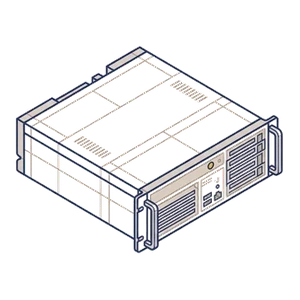
Beside the control room
Servers we install on site, sized for the models you use.
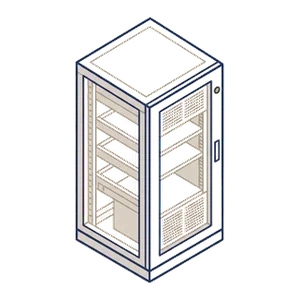
Your data centre
On your own Kubernetes, inside your security zone.
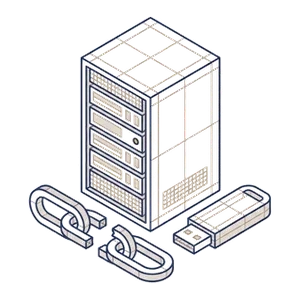
Fully offline
No outside connection. Updates arrive on a signed drive.
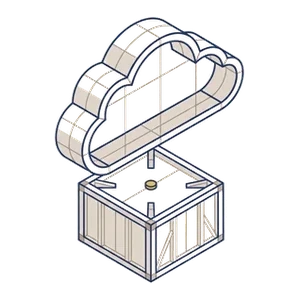
Our EU cloud
For planning, reporting and training, with data kept in Europe.
What people ask about the energy and grids pack.
Does the AI operate the grid?
No. It reads, explains and drafts. Switching plans and reports are approved by a named person, and the control system acts only on their instruction.
Can it run with no internet connection?
Yes. The pack runs fully offline. Updates arrive on a signed drive and anything tampered with is rejected.
How does it keep track of NIS2 deadlines?
The clock starts when the first alarm opens the incident. The pack shows the time left for each report and drafts it from the incident file.
Which AI models does it use?
The ones you choose, on your own hardware or in a region you allow. The AI switchboard routes every call and counts it.
What about market rules?
When an outage changes capacity, the pack asks whether it is inside information and drafts the notice. Market compliance decides.
Can our auditors check the records?
Yes. Each sealed record can be checked with the open verifier, without an account and without asking us.
Other packs
See it on one of your own incidents.
Bring a past incident or a maintenance decision. We will show you how it runs on Nexus, beside your control room.